THANK YOU FOR SUBSCRIBING
× 
Food and Beverage Tech Review Weekly Brief
Be first to read the latest tech news, Industry Leader's Insights, and CIO interviews of medium and large enterprises exclusively from Food and Beverage Tech Review

Constellation Brands
Arthur Miller, Analysis Manager
Food and Beverage Sector: How Can HACCP Software Help Businesses?
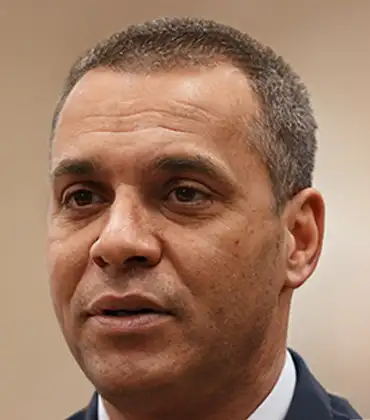
Arthur Miller
The invention of a recycling robot, which makes the process of sorting solid waste much cheaper and safer, is one way big data is making recycling more competitive.
There is a range of apparent advantages to recycling waste materials rather than incinerating or dumping them in landfills in today's world. The environmental benefit is maybe the most evident. Recycling helps prevent landfills from filling up too quickly by reducing the need for raw natural resources like wood, water, and other minerals.Even though many things can be recycled, it's important to know what can't and what can contaminate your container. Shredded paper, for example, is difficult to recycle and will be better off in your compost pile. Similarly, greasy pizza boxes clog processing machines and create much more issues than they are worth.
The introduction of big data has simplified the entire recycling and waste management process. In reality, big data has had a positive effect on the environment in various industrial and science fields. It is also used to assist scientists and land managers in understanding our changing world and ways to tackle climate change, for example.The invention of a recycling robot, which makes sorting solid waste much cheaper and safer, is another way big data is making recycling more competitive. The robot sorts the content by gathering data associated with its shapes, textures, and even brand logos. A robot can sort approximately 60 cartons of recyclables per minute on average.Big data is also used to aid route planning, allowing for more accurate assessments of how much waste is produced where. Recycling is free in most of Europe, while trash disposal costs money which is the opposite of how waste is handled in the U.S
The articles from these contributors are based on their personal expertise and viewpoints, and do not necessarily reflect the opinions of their employers or affiliated organizations.
Top
