
THANK YOU FOR SUBSCRIBING
× 
Food and Beverage Tech Review Weekly Brief
Be first to read the latest tech news, Industry Leader's Insights, and CIO interviews of medium and large enterprises exclusively from Food and Beverage Tech Review

Fonterra
Lorien Carley, Quality Manager
Enhancing Food Safety through Business Innovations
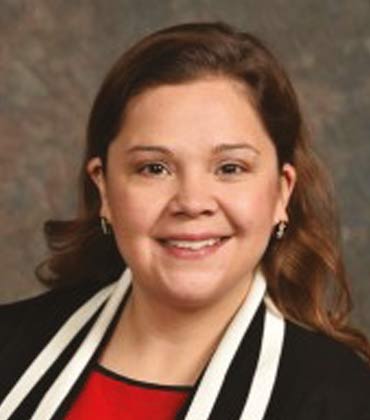
Lorien Carley
Lorien Carley holds extensive quality assurance and quality control experience across numerous consumer packaged goods organizations. Starting her professional career at CSL Behring, she has gained considerable auditing experience in different areas like pharmaceuticals, personal care items, dietary supplements, and food products. During her time at Carlson Laboratories, her work revolved around U.S. federal regulations. She then moved to Creative Werks, where her job entailed staying up-to-date with the FSMA laws. Her passion for compliance and consumer safety and her knowledge of auditing and supplier management has helped her become a prominent figure in the quality control space.
In an interview with the editorial team at Agri Business Review, Carley sheds light on the challenges in the dairy industry and how forming transparent relationships with customers and suppliers can boost business relationships. Could you walk me through your roles and responsibilities at Fonterra? At Fonterra, I am responsible for maintaining product safety and resolving quality issues across our supplier base as well as answering customers’ technical questions. The experiences gathered from my previous roles have helped me understand both customer and supplier viewpoints. Having worked in manufacturing, I understand what a customer exactly needs, as well as recognize the limitations faced by suppliers. This broad perspective helps me comprehend the bigger picture and make value-added decisions while maintaining the quality of Fonterra’s products.As an industry leader, Fonterra prioritizes sustainability and regards it as a key component of its strategies. The team believes that sustainability is not just limited to supply chain management but also involves taking communities within the organization into consideration. With the company operating as the regional arm of a global business supplying to major U.S. manufacturers, my position requires me to interact with suppliers on a day-today basis.
What are some of the challenges prevailing in the dairy industry? Sustainability is the biggest challenge for us at this hour. It should be a priority for companies across industries and especially in dairy, where methane emission is a serious concern. The future of the industry, as well as our planet, depends on cutting-edge initiatives like Kowbucha, fermentations developed by Fonterra to identify cultures that can help reduce methane in cows. "Auditing with a broader knowledge of the business or how the products affect the supply chain gives us an upper hand in evaluating risks and taking prompt action" Improving food quality and safety is another pressing priority for the dairy industry. The unavailability of infant formula last year after the Abbott plant was shut down is a good example of how food safety challenges can disrupt the supply chain and leave a significant impact on people. The FDA did a commendable job shutting down the plant after following up with a proper investigation to protect food safety and quality, but despite the swift response, there was room for more correction at the consumer end. The authorities failed to anticipate the constraints and put retail measures for the infant formula in place that could have mitigated the impact. There is scope for a more up-to-date response in food security where the key industry players can take proactive measures in consumers’ interest.With little awareness about cronobacter, there is a real opportunity to educate customers on the risks it poses and how they can follow safe practices in their own kitchens to protect their children when preparing the formula.
When it comes to safety response, the industry needs a broader approach to strategizing supply chains and imparting quality education to consumers. Could you shed light on one of your project initiatives where you implemented new technological trends or process elements to tackle the pain points? Tackling supply chain challenges is not entirely dependent on technological solutions. It also involves having open conversations between partners, customers, and suppliers. As an auditor, it is important to have a clear perspective of how ingredients used in company products impact business implications. Auditing with a broader knowledge of the business or how the products affect the supply chain gives us an upper hand in evaluating risks and taking prompt action. Apart from effective auditing results, having transparent relationships with customers and suppliers allows both groups to be responsive if and when an incident occurs and strive towards a sustainable future. What is your sage advice to fellow peers and aspiring professionals in this field? Auditors should refrain from auditing within a bubble. It is understandable that the focus remains on strengthening the scope of food safety and quality, but there is always more to learn about the supply chain and the business initiative on a wider scale. Keeping yourself open to learning will add to your professional development and make you a better auditor, as well as strengthen business relationships. Thorough knowledge of working with suppliers will enable you to become a more integrated member of a food safety response team.The articles from these contributors are based on their personal expertise and viewpoints, and do not necessarily reflect the opinions of their employers or affiliated organizations.
Top
