THANK YOU FOR SUBSCRIBING

× 
Food and Beverage Tech Review Weekly Brief
Be first to read the latest tech news, Industry Leader's Insights, and CIO interviews of medium and large enterprises exclusively from Food and Beverage Tech Review
Food and Beverages Tech Review: Specials Magazine

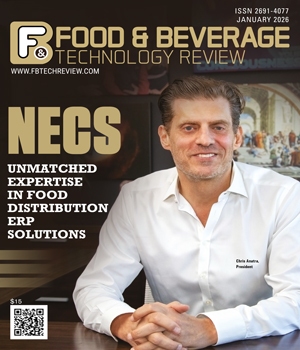
The global food supply chain is a dynamic network that plays a pivotal role in assuring a constant supply of food from farm to table. Supporting this critical function demands a specialized ERP system that is comprehensive, easy-to-use and cost-effective, capable of automating and managing all the critical daily tasks of a food service distributor. Founded in 1987, NECS developed its ERP software to meet these specific requirements. The company’s flagship product, entrée, is a comprehensive Windows application ensuring greater visibility, improved regulatory compliance, extended shelf life for perishables, and a more proactive and agile food supply chain. These benefits extend across the food industry, enhancing outcomes for logistics partners and end consumers alike. “We wanted to develop top quality software for food distributors addressing the shortcomings of existing solutions, which were often overly complex, expensive, and inadequate,” says Chris Anatra, president of NECS. “Seeing the transition from expensive mainframe systems to more affordable personal computers, we capitalized on emerging Microsoft and networking technologies to create a user-friendly and cost-effective software solution.” entrée: A Comprehensive Solution Suite Since its inception, NECS has been developing and refining its entrée software to adapt to the evolving needs of food distributors. The current version of the software is an allinclusive system with industry-specific features, including catch weight management, customer special pricing, standard order guides, inventory lot control, and warehouse management. It is engineered to handle key concerns in the food distribution industry, like compliance with the Food Safety Modernization Act, which mandates enhanced traceability for various food products. This real-time visibility helps distributors swiftly identify and address spoilage or contamination, minimizing the risk of widespread recalls. The software is also designed to streamline operations and enhance efficiency across various aspects of food distribution and for all parties involved. NECS’ revamped e-commerce platform is a key component in this effort. Orders customers place are quickly and efficiently processed with near real-time updates in the distributor's system, ensuring seamless and accurate information flow. In addition, NECS offers entrée.POD (Proof of Delivery) to help drivers prevent delivery errors and work faster and more accurately. The entrée system supports Automated Clearing House (ACH) and credit card payments, moving beyond cash-only transactions to simplify billing and reduce administrative burdens.
Top Food Automation and Manufacturing Solutions Companies
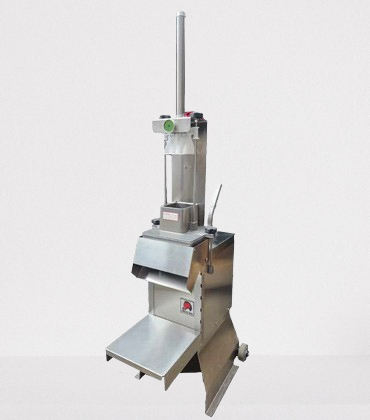
The food processing industry has long been the hub of innovations with a rich history of process optimization and customer service. However, recent years have witnessed a transformative shift toward the integration of automation technologies, aiming to bring a radical change in the niche by enabling faster and more efficient processes. This is paramount in an era where time is money and demand for healthier food products is on the rise. Automating labor-intensive and time-consuming tasks like cheese shredding can help improve operations, enhance consistency, and meet consumer expectations, ensuring competitiveness and profitability. That’s precisely where Palazzolo’s Cheese Hog shines. The manufacturer of legendary cheese shredding machines, Palazzolo’s Cheese Hog, takes a center seat in helping the food industry jump on the automation bandwagon. It specializes in assisting cheese processing companies and restaurants in automating the cheese shredding process, which allows for driving safer and more profitable operations. Founded in the 1980s by Pete Palazzolo, the Cheese Hog serves as a game-changer for numerous cheese processors and restaurants. These robust block shredders are engineered with precision to shred blocks of different cheeses like mozzarella, pecorino romano, provolone and cheddar, in one swift motion. This eliminates manual cutting and risks associated with knife handling in food processing facilities and restaurants, ensuring safety while saving labor costs. The Cheese Hog can process up to 1500 pounds of cheese an hour for smaller facilities and can be seamlessly scaled to handle 3000 pounds an hour for high-volume operations. These machines find homes in many hotels, chain restaurants, mom-and-pop eateries, and frozen pizza manufacturing units, accelerating their food production pace to meet growing demands.
Top Food Waste Management Solutions Providers

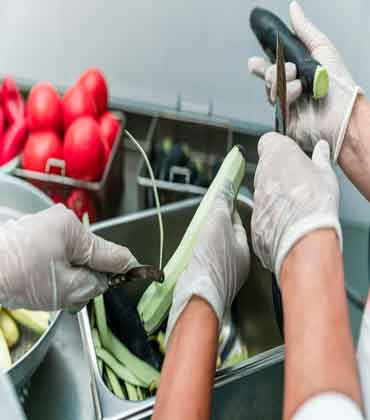
The food and beverage industry discards tons of products daily due to quality issues, expired shelf life, or packaging defects. This situation places businesses in a critical position, needing to recycle waste while balancing the rising demand for sustainability with the need for profitability. That’s where ShurGreen comes to the rescue. Experts in commercial organic waste recycling, the company collects and converts organic waste into valuable assets. “We offer innovative organic recycling solutions to national food companies, taking a multifaceted approach to exploring all possible reuse options,” says Rick Kremer, owner of ShurGreen. The company analyzes and breaks down unused human and pet food into proteins, fats, and carbohydrates, which allows them to understand the nutritional value. ShurGreen then transforms these into high-fat, high-protein diets for livestock and crop nutrients. Their team of nutritionists evaluates various waste streams and creates balanced feed products with the optimal mix of nutrition. Experts in repurposing everything from steaks to potatoes to pet food and beyond, ShurGreen’s permitted renderer status allows them to combine meat proteins with grains or bakery products to create a nutritional feed for poultry and swine customers. ShurGreen offers certified product destruction that protects customer brands while limiting customer liability in the marketplace. This includes any non-hazardous organic liquids, solids, and packaging. ShurGreen and their trusted partners process products with a proven chain of custody and certification of destruction for the records at the conclusion of the process. Addressing all essential aspects of the waste management process, ShurGreen undertakes all tasks, from collaborating with national waste management companies to managing logistics, enabling companies to achieve landfill-free goals.
CXO INSIGHTS

The Transition to a More Eco-friendly Business Process
Alex Perez, COO, Franchisor, Restaurant Operations Management, Executive, Fresh&Co NYC

As technology evolves, so should the Supply Chain
Reuben Calow, Vice President, Global Kellogg Work System & Digital Supply Chain

Food Safety Is Everyone's Business
Suzanne Finstad, Vice President of Food Safety and Quality Assurance (FSQA), Tyson Foods
Food Safety Management: The Role of Validated Food Safety Plans
Adeniyi.A. Odugbemi, Global Director - Food Safety and Food Defense at ADM

Driving Enterprise-Wide Food Safety through Collaboration & Empowerment
Wumi Yusuff, MS, CFS, Senior Director, Food Safety, Ferrara Candy Company

The Relationship Triangle: How Relationships within the Food Processing Facility Find Success
Gina M. Cullerton, FSQA Manager, Clemens Food Group

Delivering Safe foods through Effective Sanitation
Christopher Smith, Corporate Sanitation Manager, Michael Foods

The Strategic Role of Sanitation in Food Manufacturing
Nicole Pool, Sr. Director, Novus Foods

A Quality-First Leadership Framework for Trust and Performance
Kortnei Gabbard, Quality Assurance Manager, Lassonde Pappas & Company


IN FOCUS
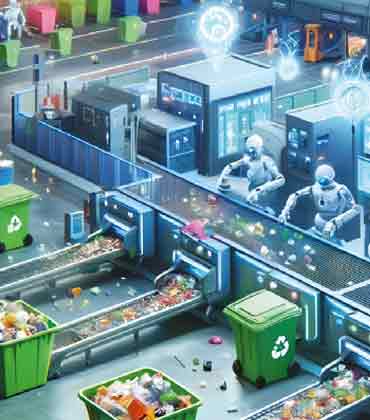
Exploring AI's Impact on Food Waste Management
AI holds transformative potential in addressing the global issue of food waste.
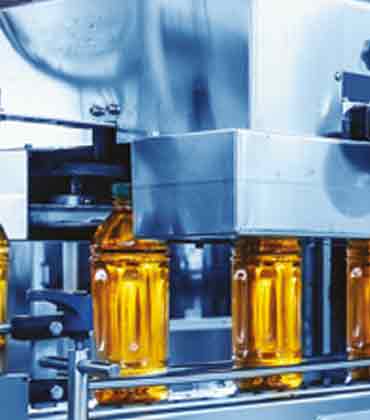
Adapting to Change: Key Challenges and Innovations in Food Processing Equipment
Success in food processing requires companies to adopt a proactive approach that leverages technology, ensures safety, and understands regulations to improve efficiency and quality.
EDITORIAL
Transforming Food Safety and Processing with Technology
Europe is at the forefront of leveraging technology-driven solutions to enhance food safety and strengthen the food processing industry. Innovations like blockchain ensure end-to-end traceability, reducing the risk of contamination and costly recalls. AI and data analytics help anticipate potential safety issues, while IoT-enabled sensors continuously monitor production conditions in real time, guaranteeing product quality, consistency, and compliance with the highest safety standards.
The adoption of these technologies delivers significant economic advantages by lowering recall costs, improving operational efficiency, and enhancing the global reputation of European food products. This, in turn, supports increased agricultural exports and strengthens foreign exchange earnings. Companies investing in advanced food safety and processing solutions gain a competitive edge, meeting rising consumer expectations for safe, reliable, and high-quality products in an increasingly demanding market.
In this edition of Food and Beverages Tech Review, we highlight innovative companies across food processing solutions, food safety solutions, and food processing equipment manufacturing. Featured organizations such as rqmicro showcase how rapid data analysis and advanced monitoring technologies can detect foodborne illnesses and outbreaks more efficiently, supporting both regulatory authorities and businesses in maintaining safe food supply chains.
As Europe continues to embrace innovation, the food industry is evolving into a more resilient, efficient, and trusted sector, capable of meeting the needs of consumers worldwide. Insights from these pioneering companies provide valuable guidance for businesses aiming to navigate the complex and rapidly changing landscape of food processing, safety, and equipment manufacturing. By integrating technology and innovation, companies can make informed decisions, improve operational performance, and maintain a competitive position in the global market.
Equally transformative are innovations in biosensing and smart packaging technologies, which are redefining how food quality and safety are monitored throughout a product’s lifecycle. Modern biosensors now offer rapid, on-site detection of pathogens such as Salmonella, Listeria and E. coli, significantly reducing response times and supporting early containment. Intelligent packaging—featuring embedded time-temperature indicators, freshness sensors and even QR-code traceability—provides realtime insights into storage conditions and product integrity. As regulatory frameworks tighten and public scrutiny grows, these advancements are not just improving compliance—they’re becoming essential tools in building consumer trust and ensuring food safety at scale.
Driven by these trends, the global food technology market is projected to grow at a CAGR of over 8.2 percent from 2025 to 2034.
In this edition of Food and Beverage Tech Review, we provide insights into recent developments in the food technology market and how the companies align with the latest trends.
The magazine features a thought leadership article from Riaz Ahamadeen, Vice President of Quality/Food Safety and Regulatory, North America, Oatly Inc., who emphasizes a comprehensive approach to food safety, focusing on strict protocols, monitoring and a strong safety culture. It also features an article from John Gurrisi, Vice President, Food Safety and Quality at Fresh Express, who sheds light on how technological advancements have revolutionized efficiency, food safety and traceability in the fresh salad industry.
We hope you find the right partner to meet your organization’s needs in this edition.

Top
